Private label wet wipes allow brands, retailers, wholesalers, distributors, and e-commerce businesses to sell customized wipes under their own brand without setting up their own manufacturing facility. Instead, an experienced manufacturer can support the project from product development and sampling to packaging, mass production, and quality control.
For a new private label wet wipes project, the process usually starts with three basic considerations: where the product will be sold, what it will be used for, and who the target customers are. These factors help determine the appropriate material, formula, specifications, packaging, and production requirements.
Quick Answer: To develop private label wet wipes, first define the product application, target market, sales channel, and estimated order quantity. Then work with a manufacturer to develop the material, formula, fragrance, sheet specifications, packaging, and branding. A typical OEM/ODM process includes product planning, sample development, testing, packaging confirmation, and mass production with quality control. The exact process, customization options, and MOQ depend on the product category and project requirements.
Key Takeaways
- Define the application, target market, and sales channel before choosing product specifications.
- Material and formula should be considered together based on the intended use.
- Private label, OEM, and ODM can involve different levels of customization and development support.
- Samples should be evaluated and approved before bulk production.
- Packaging and branding should be considered together with the finished product specifications.
- MOQ can vary depending on the product, packaging, formula, and customization requirements.
- A suitable manufacturer should be able to support product development, customization, production, quality control, and relevant documentation.
1. What Are Private Label Wet Wipes?
Private label wet wipes are products manufactured for a business and sold under its own brand name. This allows retailers, wholesalers, distributors, and e-commerce brands to develop their own wet wipe product lines without operating their own production facility.
Depending on the project, customization may include:
- Nonwoven material
- Formula and functional ingredients
- Fragrance or fragrance-free options
- Sheet size and thickness
- Wipe count
- Folding format
- Packaging format
- Logo and artwork
The right product configuration depends on the intended application, target customers, sales channel, and requirements of the destination market.
For example, a personal care wipe, baby wipe, household cleaning wipe, pet wipe, or automotive wipe may require different materials, formulas, sheet specifications, and packaging solutions.
2. Private Label vs. OEM vs. ODM Wet Wipes
Private label, OEM, and ODM are often used together in the wet wipes industry, but they can involve different levels of product development and customization.
| Model |
How It Works |
Typical Customization |
| Private Label |
An existing product solution is sold under the customer's brand |
Low–Moderate |
| OEM |
The manufacturer produces according to the buyer's specifications |
Moderate–High |
| ODM |
The manufacturer helps develop or adapt the product |
Moderate–High |
The terminology is not always used consistently between suppliers. In practice, it is more useful to ask a manufacturer what they can actually customize and which parts of the development process they can support.
For buyers, important questions include whether the manufacturer can adjust the formula, provide different material options, develop fragrances, customize packaging, produce samples, and support testing and documentation.
3. What Should You Decide Before Developing Your Wet Wipes?
Before discussing materials, formulas, or packaging, define the basic business requirements for the product.
Target Market
Consider the country or region where the product will be sold and the type of customers you want to reach. Market requirements can influence product claims, ingredients, packaging, testing, and documentation.
A product intended for one market may require different specifications or supporting documents from a similar product sold in another market.
Product Application
Decide what the wipes are intended to do.
Cleaning, personal care, baby care, pet care, automotive care, and household applications can require different material and formula solutions.
The intended use should therefore be established before selecting the material or formula.
Sales Channel
Retail stores, distributors, wholesalers, and e-commerce channels may have different expectations for packaging, product positioning, product count, and order quantities.
For example, retail products may require consumer-friendly packaging and clear product information, while wholesale projects may place greater emphasis on carton configuration, shipping efficiency, and consistent production.
Estimated Order Quantity
Your expected order quantity is also important when discussing a private label project.
MOQ and pricing can depend on factors such as the wipe format, packaging type, formula, printing requirements, and degree of customization.
Once these basic requirements are clear, it becomes easier to discuss the actual product specifications with a manufacturer.
4. What Can You Customize for Private Label Wet Wipes?
Private label wet wipes can be customized across multiple parts of the finished product. The available options depend on the product application, manufacturing capabilities, and target market.
Nonwoven Material
The nonwoven material affects softness, strength, absorbency, texture, and overall handling.
Different applications may require different material characteristics. Material selection should therefore be based on the intended use and performance requirements rather than price alone.
Formula
The formula determines many of the functional characteristics of the finished wipe.
Depending on the application, buyers may discuss cleaning, moisturizing, conditioning, fragrance, pH, and other formulation requirements with the manufacturer.
Formula requirements should also be reviewed against the destination market and the product claims planned for the finished product.
Fragrance
Brands can choose an existing fragrance, request a customized scent, or use a fragrance-free formula.
Fragrance should be evaluated on the finished wipe because the nonwoven material, formula, and packaging can all influence the final scent experience.
Sheet Size, Thickness, and Count
Sheet dimensions, thickness, folding format, and wipe count all affect the finished product and package size.
These specifications should be considered together with the intended retail positioning, product application, and packaging format.
Packaging and Branding
Private label packaging can include different pack formats, closures, counts, dimensions, labels, logos, and printed artwork.
Packaging requirements should be discussed early because the package design needs to match the finished product specifications.
A manufacturer with OEM/ODM capabilities can often help buyers evaluate different packaging options based on the product positioning and sales channel.
5. How Does the OEM/ODM Wet Wipes Process Work?
A typical private label wet wipes project can follow five main stages.
Step 1: Define Requirements
Share the product application, target market, sales channel, preferred specifications, packaging requirements, branding needs, and estimated quantity. If some specifications are not finalized, explain the intended use and target market first. The manufacturer can then recommend suitable options.
Step 2: Develop the Product Solution
Discuss suitable materials, formulas, fragrances, sheet specifications, folding formats, and packaging. At this stage, the manufacturer may provide different options for comparison based on the intended application and project requirements.
Step 3: Develop and Test Samples
Samples allow buyers to evaluate the material, formula, fragrance, sheet performance, packaging, and overall product specifications. Adjustments can be made based on the sample evaluation before the product moves into mass production.
Step 4: Finalize Product and Packaging
Once the product has been approved, confirm the formula, material, specifications, artwork, packaging, labeling requirements, and production details. This stage helps ensure that both the buyer and manufacturer are working from the same finalized specifications.
Step 5: Mass Production and QC
After final approval, the product moves into mass production with quality control throughout the manufacturing process. Depending on the product and target market, testing and documentation may also be required before or during production.
6. What Affects the Cost of Private Label Wet Wipes?
The cost of private label wet wipes depends on the complete product configuration rather than the wipe itself.
Common factors include:
- Nonwoven material
- Formula and ingredients
- Fragrance
- Sheet size and count
- Folding format
- Packaging format
- Printing and branding
- Level of customization
- Order quantity
- Testing requirements
- Documentation requirements
MOQ, packaging configuration, and production efficiency can also affect the final quotation.
Higher customization does not necessarily mean a higher unit cost in every case. Order quantity and the overall production configuration can also influence the cost structure.
When comparing quotations from different manufacturers, look at the complete product solution and service scope instead of focusing only on the unit price.
7. What to Look for in a Private Label Wet Wipes Manufacturer?
A manufacturer should be able to support more than just the final production stage.
- Product Development: Can the supplier help develop or adjust the product according to your requirements? A manufacturer with product development experience can help turn an initial product concept into a manufacturable specification.
- Material and Formula Support: Can they provide suitable material and formulation options for the intended application? The manufacturer should be able to explain the differences between available options and recommend solutions based on the product requirements.
- Customization: Can they handle fragrance, sheet specifications, packaging, labeling, and branding? The more parts of the project a supplier can manage, the easier it can be to coordinate the overall development process.
- Sample Development: Can they provide samples and make adjustments before bulk production? Sample development is particularly important when the buyer needs to evaluate material feel, formula performance, fragrance, packaging, or other product characteristics.
- Quality Control: What quality control procedures are used during production? Ask how raw materials, finished wipes, packaging, and production batches are checked to help maintain consistent product quality.
- Testing & Documentation: Depending on the product category and destination market, buyers may need product testing, ingredient information, safety documentation, or other compliance-related documents. Ask the manufacturer what testing and documentation support they can provide for your intended market and product application.
- Production Capability: Can the manufacturer support your expected order quantity and maintain consistent production? A supplier should have sufficient production capacity and a process for managing repeat orders as the product line grows.
- Communication: Clear communication is important when product specifications, samples, packaging, artwork, testing, and production details need to be reviewed and confirmed. For international B2B projects, responsive communication can also help reduce misunderstandings during product development.
8. What Should You Prepare Before Requesting a Quote?
You do not need to finalize every specification before contacting a manufacturer. However, providing the following information can make the discussion more efficient:
- Target market
- Sales channel
- Product application
- Preferred material
- Formula requirements
- Fragrance preference
- Sheet size and wipe count
- Packaging format
- Branding requirements
- Estimated order quantity
- Testing or documentation requirements
If you are still at the early planning stage, start with the application, target market, sales channel, and estimated quantity.
The manufacturer can then help determine which product specifications need to be finalized and which options may be suitable for your project.
Providing more information at the beginning can also help the manufacturer prepare a more relevant quotation instead of giving you a generic unit price.
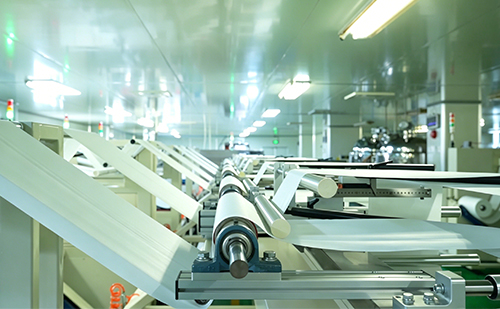
ANHUI DR.EASY IMPEX CO., LTD automated manufacturing facility and nonwoven processing lines for OEM/ODM wet wipes.
Build Your Private Label Wet Wipes with DR.EASY
DR.EASY provides OEM, ODM, and private label manufacturing solutions for businesses developing customized wet wipe products.
Our support can cover product development, formula, fragrance, material selection, packaging, manufacturing, quality control, and logistics, helping buyers manage different stages of a private label project with one manufacturing partner.
Whether you are launching a new wet wipe product or expanding an existing product line, you can share your target market, product application, product requirements, packaging ideas, and estimated order quantity with the DR.EASY team to start a project discussion.
👉 Looking for a private label wet wipes manufacturer? Contact DR.EASY and share your product application, target market, packaging requirements, and estimated order quantity. Our team can help you evaluate suitable OEM/ODM options and develop the next step of your project.
Frequently Asked Questions
💬 What can be customized for private label wet wipes? +
Private label wet wipes can be customized in areas such as nonwoven material, formula, fragrance, sheet size, thickness, wipe count, folding format, packaging, logo, and artwork. Available options depend on the product category and manufacturer.
💬 Can I customize the formula and fragrance? +
Depending on the product and manufacturer, buyers may request an existing formula, formula adjustments, customized fragrance, or a fragrance-free option. The final formula should be evaluated according to the intended application, target market, and product claims.
💬 Can I request samples before placing a bulk order? +
Sample development is a common part of the OEM/ODM process. Samples allow buyers to evaluate the material, formula, fragrance, packaging, and overall product specifications before mass production.
💬 What is the MOQ for private label wet wipes? +
MOQ depends on the product type, packaging format, formula, and customization requirements. Customized wet wipe projects may start from several thousand packs or units, but the exact MOQ should be confirmed according to the specific product configuration.
💬 What information should I provide when requesting a quote? +
Provide your target market, product application, preferred specifications, packaging requirements, branding needs, and estimated order quantity. If some specifications are not finalized, explain your requirements and let the manufacturer advise on suitable options.
💬 What is the difference between private label, OEM, and ODM wet wipes? +
Private label generally involves selling an existing manufacturer's product under your own brand. OEM production follows the buyer's specifications, while ODM typically involves more support from the manufacturer in developing or adapting the product. The exact service scope varies between suppliers.
💬 How should I choose a private label wet wipes manufacturer? +
Look at the manufacturer's product development, material and formula support, customization capabilities, sample development, quality control, testing and documentation support, production capability, and communication. A suitable supplier should be able to support your project from development through mass production.









 IPv6 network supported