Pet eye wipes are a specialized product in the pet hygiene category. For pet care brands, distributors, wholesalers, and retailers, they can complement an existing grooming range or provide an additional product for a private label collection.
Developing private label pet eye wipes requires more than choosing a container and adding a logo. Buyers need to define the intended use, wipe specifications, formula requirements, packaging, and target-market requirements before moving into production.
This guide explains what B2B buyers should consider when developing pet eye wipes and preparing for an OEM or ODM manufacturing project.
Quick Answer: How Do You Develop Private Label Pet Eye Wipes?
Start by defining the product's intended use, target market, wipe specifications, and packaging requirements. Then review formula information, evaluate samples, confirm labeling and documentation needs, and agree on MOQ and production specifications with the manufacturer.
Key Takeaways
- Define the intended application and target customers before selecting specifications.
- Review wipe dimensions, material, moisture level, and formula together.
- Confirm packaging options, branding requirements, MOQ, and pricing early.
- Evaluate samples and approve the final specifications before production.
- Check product labeling and documentation requirements for your target market.
1. Define Your Pet Eye Wipes Product Positioning
Before contacting a pet eye wipes manufacturer, identify your target customers and the role the product will play in your range. A pet care brand may want to expand its grooming collection, while a distributor may be sourcing a ready-to-customize product for retail or e-commerce.
Clarify the following points:
- Target animals: Dogs, cats, or both, depending on the confirmed product specifications.
- Intended use: Define the cleaning application and the areas for which the product is designed.
- Sales channel: Pet specialty stores, distributors, online shops, or other retail channels.
- Market requirements: Identify the destination market and applicable labeling expectations.
A clear product brief helps the manufacturer assess suitable options and identify any requirements that need to be resolved before sampling.
2. Review Wipe Specifications and Formula Options
The wipe substrate, dimensions, moisture level, and formula all contribute to the finished product. Buyers should evaluate these elements together rather than treating them as separate purchasing decisions.
Wipe Material and Dimensions
Ask about available materials, pad diameter, thickness, texture, and dispensing format. The selected specifications should suit the intended application and provide a practical user experience.
DR.EASY's current product information lists pet eye wipes in a 120-count format with a pad diameter of approximately 3 inches (75 mm). Treat these details as a starting point and confirm the current specifications and available alternatives before placing an order.
Formula and Ingredient Information
Formula selection should reflect the intended application, product positioning, and target-market requirements. DR.EASY's product information identifies aloe vera and chamomile among the ingredients in its pet eye wipes offering.
Before approving a formula, request the available ingredient information and review the product's intended use and directions. Do not assume that the presence of a particular botanical ingredient establishes that a product is hypoallergenic, irritation-free, or suitable for every pet.
Claims involving tear-stain removal, sensitive-eye suitability, or other specific benefits should be used only when supported by appropriate evidence for the finished product.
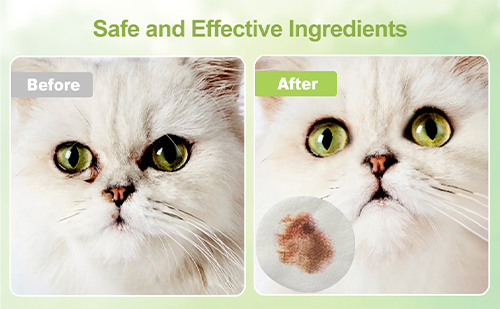
Pet eye wipes effectively remove eye discharge and tear stains with gentle, safe botanical formulas.
3. Plan Packaging and Private Label Branding
Packaging influences product presentation, dispensing, storage, and shipping. For private label projects, confirm the available formats before finalizing artwork or making cost assumptions.
Discuss the following with your supplier:
- Container or package format and closure design
- Wipe count per unit and dispensing requirements
- Label dimensions, logo printing, and artwork specifications
- Packaging materials and available customization options
- Outer carton specifications for bulk shipment
Packaging choices can affect MOQ, unit cost, and lead time. Ask for a quotation based on your preferred configuration so that the costs are easier to compare.
Before production, check that the product name, directions, warnings, ingredient information, and other required label details match the approved product and applicable market requirements.
4. Understand MOQ, Pricing, and Sampling
The minimum order quantity for private label pet eye wipes depends on the selected product, packaging, and level of customization. Custom printing or packaging may involve additional setup costs or separate minimum quantities.
When requesting a quotation from a pet eye wipes supplier, clarify:
- MOQ for the selected product configuration
- Sample availability, fees, and shipping costs
- Unit pricing at different order quantities, if available
- Packaging, printing, and artwork-related costs
- Estimated sampling and production lead times
- Quotation terms and shipping arrangements
Evaluate samples before committing to bulk production. Review the wipe dimensions, texture, moisture level, packaging, dispensing experience, and consistency with the agreed specifications. Record the approved sample and product details in writing.
5. Confirm Quality Control and Product Documentation
Quality requirements should be agreed upon before mass production. Ask the manufacturer how product specifications are checked, how the approved sample is referenced during production, and how deviations are handled.
Depending on the formula, intended use, and destination market, relevant documentation may include ingredient information, product specifications, applicable safety documentation, or supporting test reports. Confirm which documents are available and which are required for your particular product and market.
Review the final label and product claims before printing. Requirements vary by market and product classification, so buyers should verify the applicable rules rather than assume that one set of documents or claims is suitable worldwide.
6. Prepare a Brief for Your OEM/ODM Project
A concise product brief makes communication with a manufacturer more efficient. Before sending an inquiry, prepare the following information:
- Target market and intended sales channels
- Target animal and intended application
- Preferred wipe material, dimensions, and count
- Formula or ingredient preferences, if known
- Packaging format and private label requirements
- Estimated initial order quantity and target launch date
- Known labeling, testing, or documentation requirements
If some details are undecided, share your product concept and target customers first. The manufacturer can then clarify available options, sampling requirements, and the next steps for development.
Private Label Pet Eye Wipes with DR.EASY
DR.EASY offers OEM, ODM, and private label manufacturing solutions for international B2B customers across pet care and other daily-use product categories. Its current product range includes pet eye wipes with product information listing a 120-count format and a formula featuring aloe vera and chamomile.
Product specifications, MOQ, pricing, packaging options, and customization arrangements should be confirmed for the selected product and project requirements.
Explore the DR.EASY product range to learn more about available products. For tailored projects, visit the Custom Solution page to learn about OEM, ODM, and private label services.









 IPv6 network supported